
Sam Altman Talked About the Future (And Accidentally Explained Why Building Software Is Now the Easy Part)
The livestream didn’t ship a product — it shipped a map of what breaks next when code becomes cheap and attention doesn’t.

Last night’s Sam Altman livestream didn’t come with a shiny new product drop, a dramatic demo, or a “one more thing.” Which, frankly, was almost relaxing. Instead, it was mostly a guided tour of what’s about to happen when AI gets cheaper, faster, more reliable with tools, and absurdly more contextual.
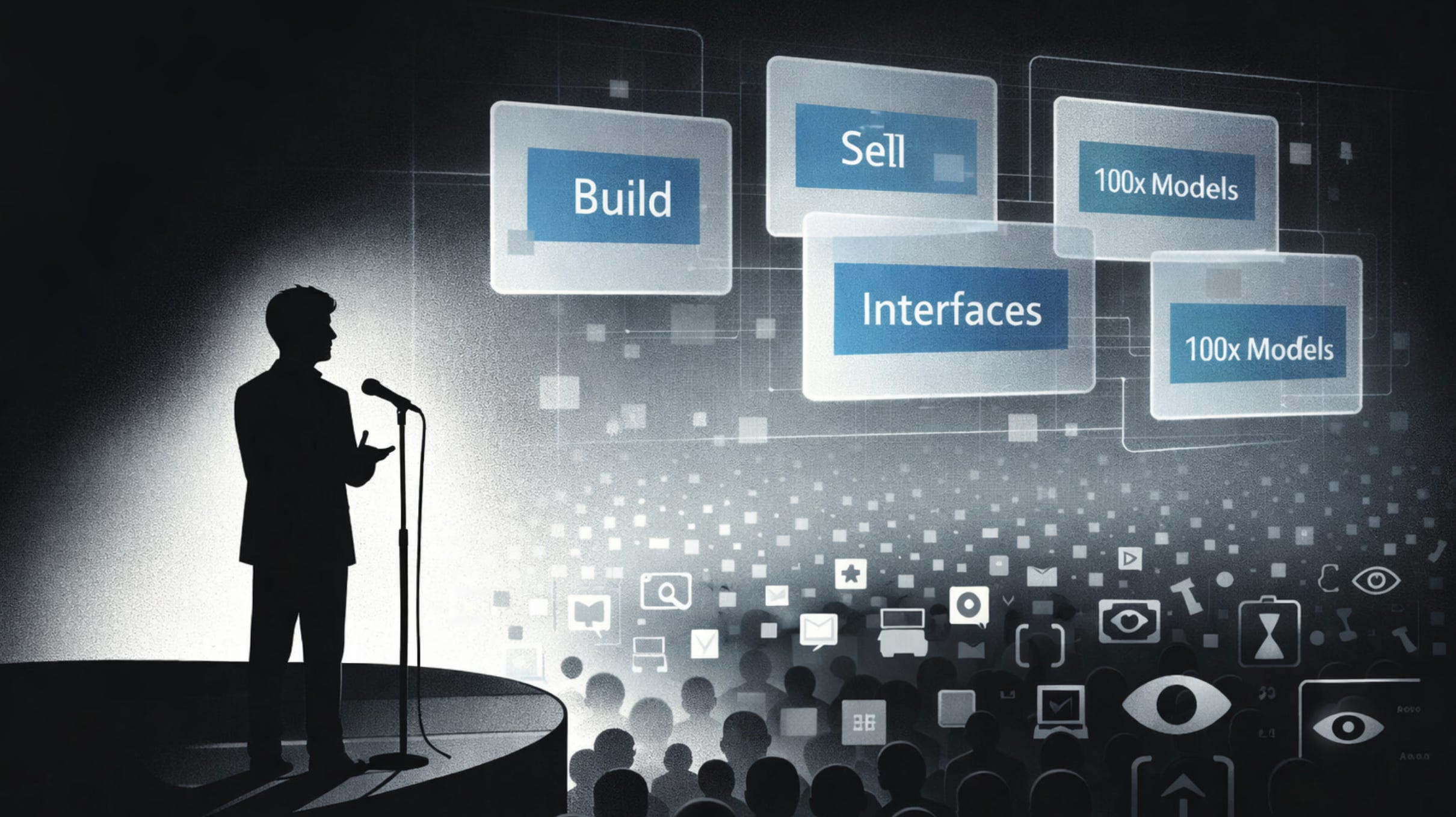
And the punchline is not “developers are doomed.” The punchline is far more annoying:
Building is becoming trivial. Shipping is becoming brutal.
Below is the version of the talk you’d want if you had ten minutes, a mild caffeine dependency, and a suspicion that “AI agents” will soon start asking for your calendar permissions like a Victorian pickpocket.
If you want the raw feed (and Sam’s full cadence), it’s here. If not, keep reading — this is the compressed version.
For Developers: The Engineer Isn’t Dying. The Engineer Is Mutating.
1) Jevons Paradox, but for code
When something becomes cheaper, we don’t use less of it. We use more of it.
AI makes coding faster and cheaper, so the world won’t respond by saying, “Great, we’re done with software.” The world will respond by producing software the way teenagers produce opinions: constantly and with alarming confidence.
What changes is the job. “Coding” becomes less about typing and debugging and more about:
specifying intent clearly
managing systems that write systems
validating outcomes instead of crafting every line
In other words, you stop being a bricklayer and become the person who tells a small army of robots what a house is supposed to feel like.
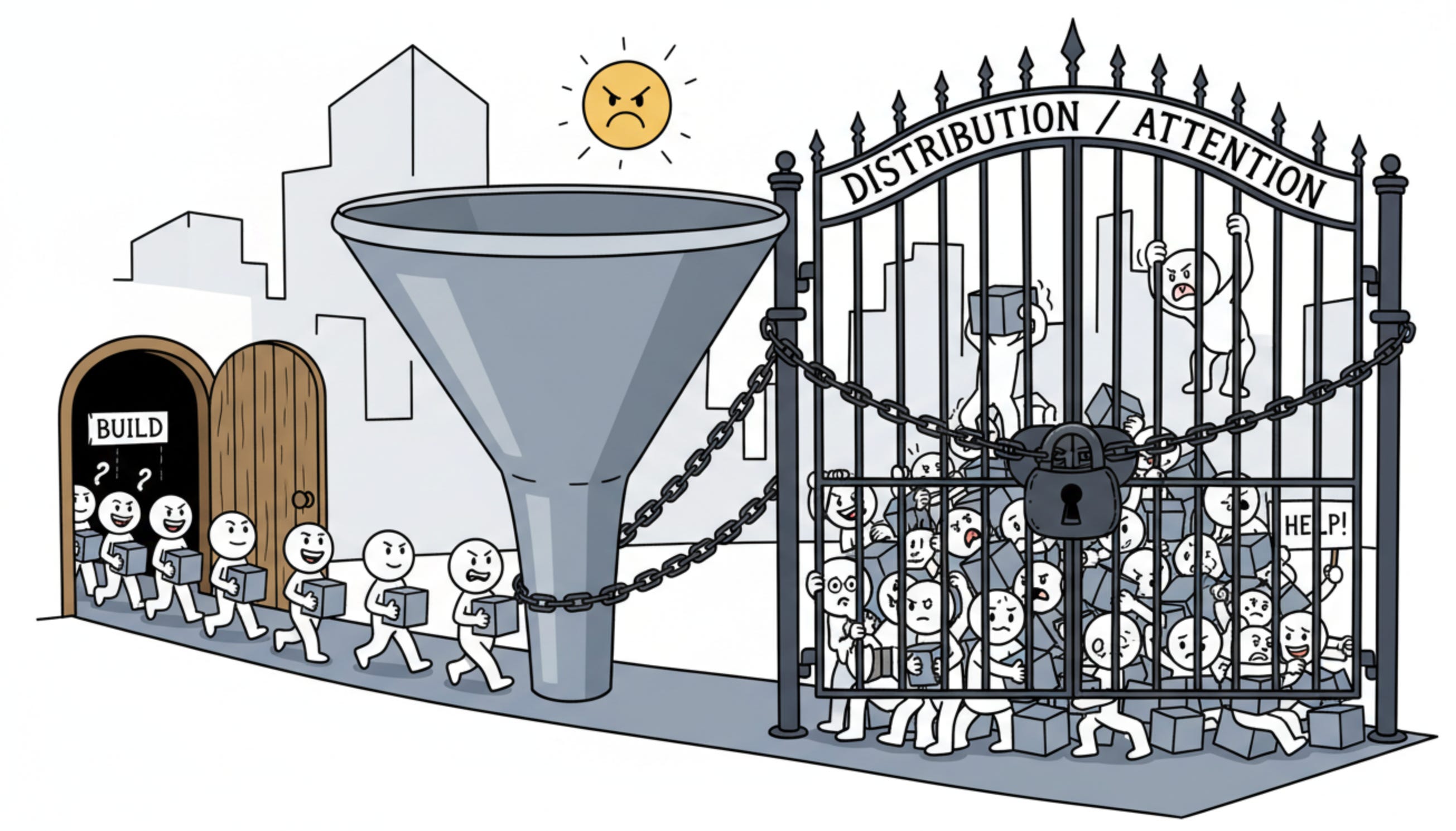
2) The bottleneck shifts from “Can we build it?” to “Can we sell it?”
This is the bit many builders will hate.
Historically, the hard part was making the thing. Now the hard part is:
distribution
attention
trust
positioning
product-market fit
and the deeply unsexy mechanics of go-to-market
If everyone can build a functioning product in a weekend, your “moat” becomes… having customers.
And you’ll notice something: the most successful teams won’t necessarily be the ones with the fanciest architecture. They’ll be the ones who can answer one question:
Why should anyone care, right now, specifically today?
3) Agent interfaces are a giant open frontier
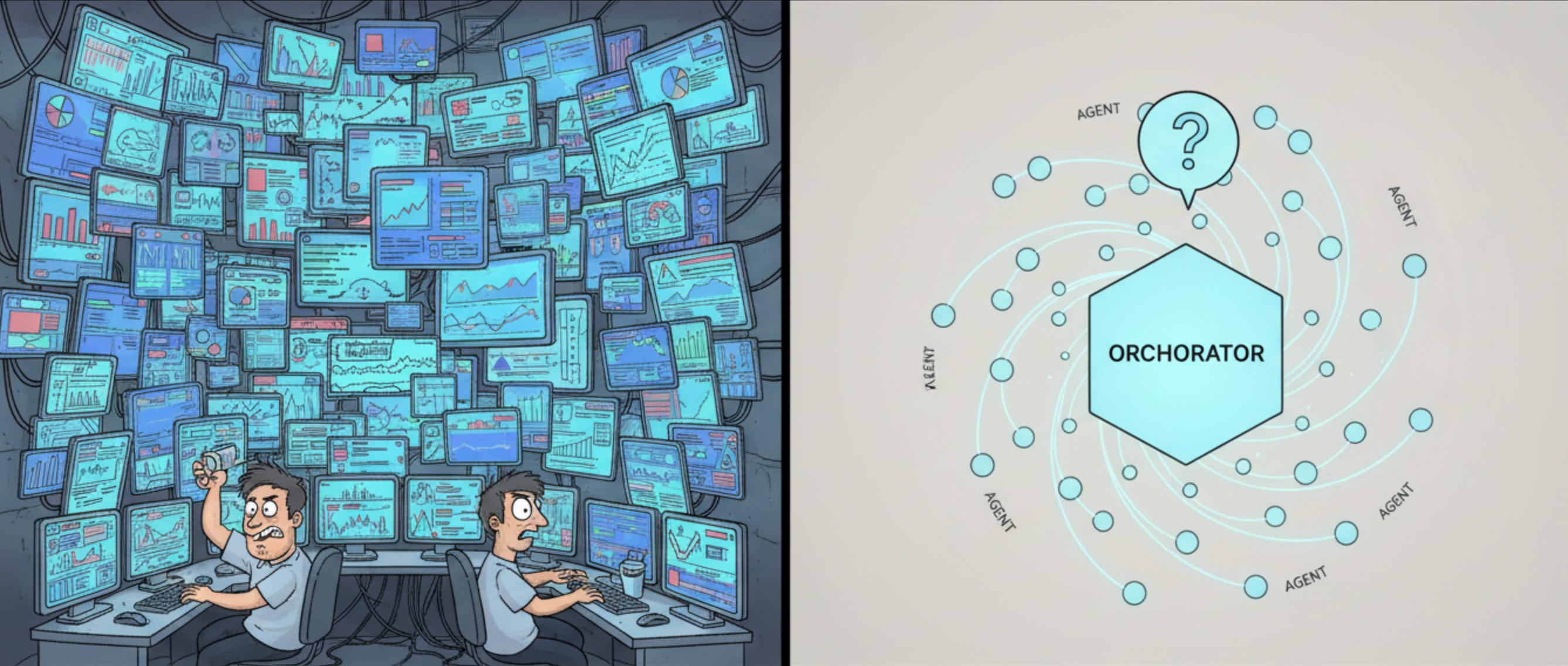
Nobody knows the right UI for multi-agent systems yet.
Is it a cockpit full of dashboards? A chat with occasional buttons? A voice that interrupts you twice a day like a polite but persistent butler?
There’s a massive capability-to-usability gap: models can do a lot, but normal humans can’t reliably extract that value without friction, confusion, or accidental chaos.
That gap is an opportunity. A big one. The next wave of winners may look less like “new foundation model labs” and more like:
agent workflows normal people can operate
interfaces that make delegation feel safe
guardrails that don’t feel like handcuffs
transparency that doesn’t require a PhD in model behavior
4) Build for models 100× better than today
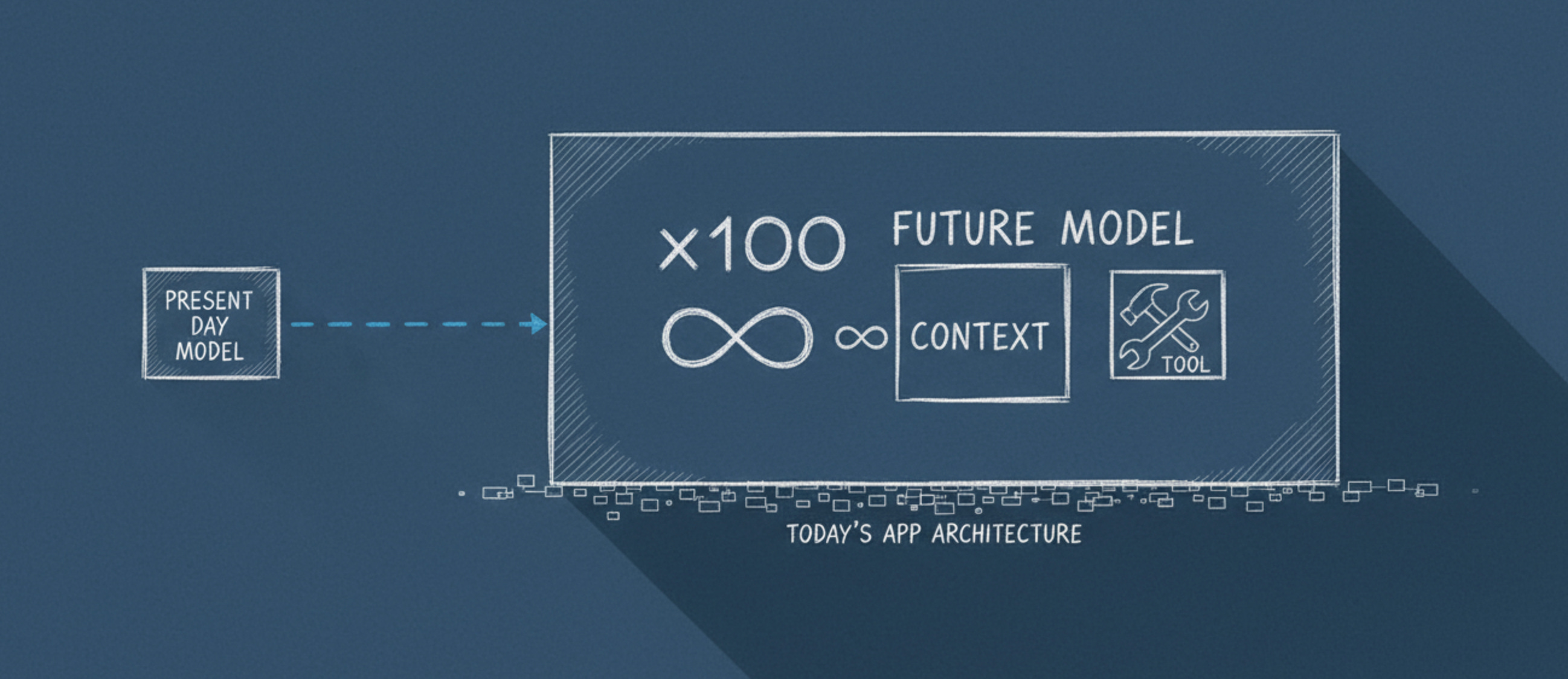
This isn’t motivational poster nonsense. It’s architecture advice.
Assume the next generation of models will be:
dramatically more capable
dramatically cheaper
dramatically faster
with dramatically larger context
and far more reliable tool use
So design systems where your “AI layer” can be swapped and scaled without rewriting everything. Don’t bake today’s limitations into tomorrow’s product. That’s how you end up shipping a gorgeous horse saddle right as the world invents the bicycle.
For Users: The Helpful Assistant Requires an Uncomfortable Level of Trust
1) Real personalization wants your entire digital life
The future Altman gestures at is not “you paste context into a prompt.”
It’s “the system understands your life,” which means it needs access to the messy reality of it:
your inbox
your documents
your calendar
your files
your preferences
your habits
your ongoing projects
your “I’ll deal with that later” pile
And yes, the dream is that you stop manually switching modes like “work me” vs “personal me.” The system infers context the way a good assistant does.
The catch is obvious: you can’t get a truly useful assistant without granting it the kind of access you currently reserve for either your spouse or your IT department. Sometimes both.
2) The skills that matter aren’t syntax
If your identity is “I know the right incantations in the right language,” AI will not be kind to your self-esteem.
The durable skills become:
High agency: getting things done even when the path is unclear
Idea generation: seeing angles, opportunities, new combinations
Adaptability: learning fast, changing fast, recovering fast
These aren’t mystical traits. They’re trainable. But they are also, inconveniently, the opposite of passive consumption.
3) Personal software for everyone
We’re moving from “download an app designed for the average user” to “use software generated for you, right now.”
Not a startup’s best guess at a universal workflow. Your workflow. Your constraints. Your preferences. Your context.
Which is wonderful—until you realize it means the app economy gets weird:
fewer universal winners
more hyper-personal tools
more ephemeral “apps” that exist for a week
and a lot of people running tiny pieces of software they can’t fully explain

What To Do With This (So You’re Not Just Nodding While the Future Rearranges Your Furniture)
If you build products
Invest in GTM earlier than feels comfortable. Building speed is no longer the differentiator. Distribution is.
Design your product as an “agent surface,” not just a UI. Assume tasks will be delegated. Make that delegation safe and legible.
Future-proof your architecture. Models will change faster than your roadmap. Keep the AI layer modular.
If you don’t build products
Start treating “delegation” as a core life skill. The future favors people who can direct systems, not just use tools.
Organize your digital life like it will be read by a very literal assistant. Because it will.
Practice high agency in small ways. The gap between “I had an idea” and “I shipped a thing” is collapsing. Use it.
And the one line to remember:
In the AI era, building gets easier. Deciding what’s worth building—and getting anyone to care—gets harder.